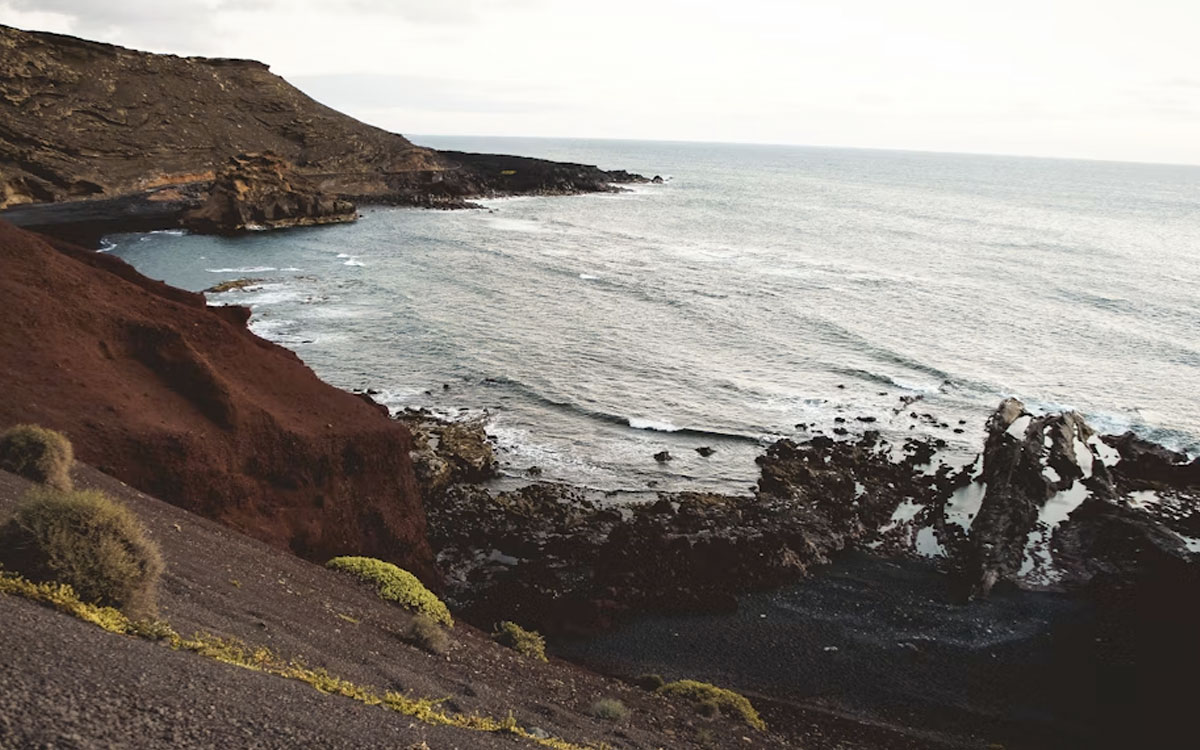
Ecotourism in Lanzarote combines the island’s volcanic power with a more conscious way of traveling. It’s not just about seeing landscapes, but understanding and respecting them.
Lanzarote has been a Biosphere Reserve since 1993, and that defines its identity. Its territory is protected, and its tourism model seeks a balance between visitors and nature.
That’s why more travelers are choosing this destination for authentic experiences, away from mass tourism.
We tell you all about it on our First Minute Excursions and Last Minute Transfer blog.
What ecotourism in Lanzarote really means
Talking about ecotourism in Lanzarote means talking about responsible travel. It involves exploring natural spaces without damaging them and taking part in activities that respect the environment.
This includes following marked trails, avoiding waste, and respecting local wildlife and vegetation. It also means understanding how the landscape shapes life on the island.
Ecotourism is not limited to nature. It also includes cultural experiences linked to the land, such as volcanic agriculture or local traditions.
Timanfaya and volcanic landscapes
Timanfaya National Park is the clearest example of ecotourism in Lanzarote in practice.
Access is controlled, and free movement is not allowed. Organized visits help protect a highly fragile environment.
This volcanic landscape, formed in the 18th century, remains almost untouched. That preservation is exactly what makes the experience so powerful.
Outside the park, the Natural Park of the Volcanoes offers guided routes. These allow visitors to walk on lava fields while respecting the ecosystem.
La Geria: balance between nature and human activity
Another key symbol of ecotourism in Lanzarote is La Geria.
Here, farmers have adapted to volcanic terrain using a unique system. Vines grow in pits dug into ash, protected by semicircular stone walls.
Visiting this area means understanding how humans can live alongside nature without damaging it. Supporting local wineries also helps preserve this landscape.
Sustainable activities on the island
Ecotourism in Lanzarote offers many ways to explore without creating negative impact.
Hiking is one of the most complete options. It allows you to discover the island’s interior and understand its geology.
There are also visits to protected areas, cycling routes, and coastal walks in less crowded zones.
In many cases, group sizes are limited and activities are designed to reduce environmental impact.
Reducing your footprint while traveling
Practicing ecotourism in Lanzarote means adopting responsible habits.
Using reusable bottles, avoiding single-use plastics, and respecting designated areas are simple but effective actions. Staying on marked paths is also essential.
Transport plays a key role. Choosing shared or organized services reduces the number of vehicles and improves sustainability.
Benefits for the island and the traveler
Ecotourism in Lanzarote benefits both the environment and the visitor.
It helps preserve natural spaces, supports small local producers, and encourages a more balanced economy.
For travelers, it offers a deeper and more peaceful experience. It allows a stronger connection with the surroundings and reveals details often missed in fast-paced tourism.
A more authentic way to experience Lanzarote
Ecotourism in Lanzarote is not just a trend; it’s a more meaningful way to travel.
It allows you to enjoy the destination without harming it and understand why it is so unique. Every landscape and experience gains more value.
Lanzarote is the perfect place to discover that slow, respectful travel can be far more rewarding.



Leave A Comment