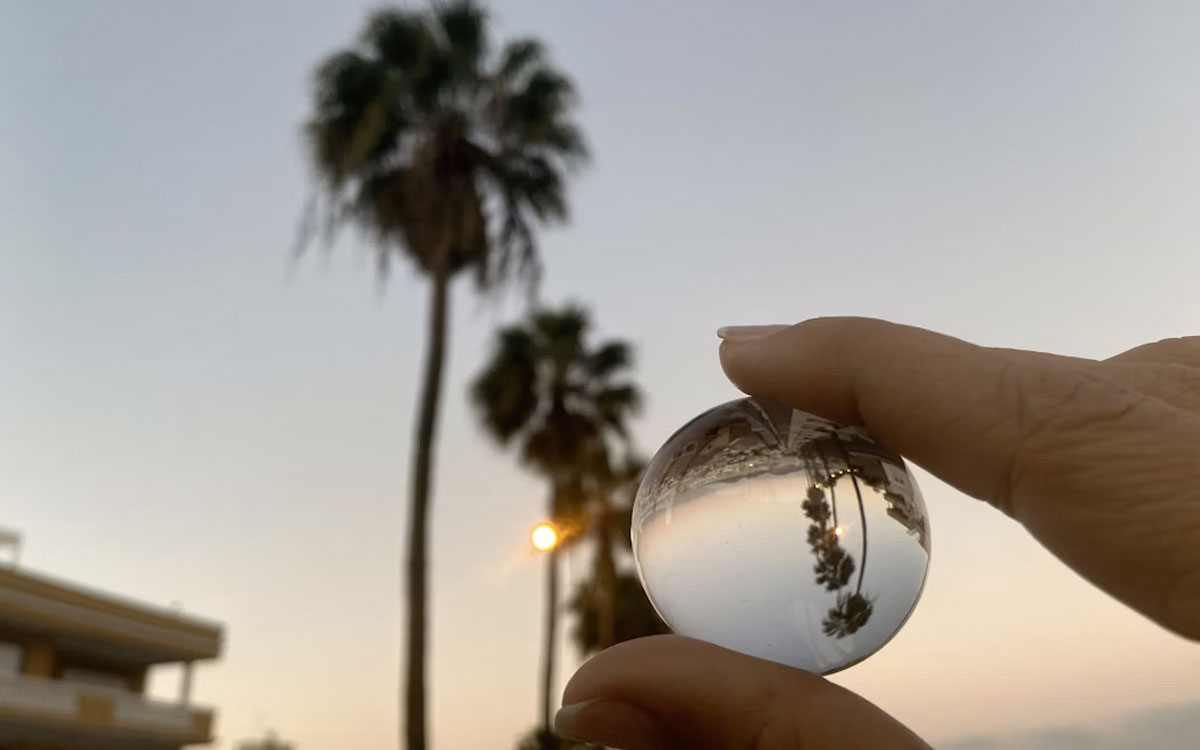
The microclimates of Gran Canaria explain why this island is often called a miniature continent. Within a short distance, the weather can change dramatically.
You can leave sunshine in the south and find clouds in the north in less than an hour. This contrast is not random, but the result of geography and elevation.
Understanding these differences helps you plan your trip better. It also allows you to experience the island in a much richer way.
What are the microclimates of Gran Canaria
At First Minute Excursions and Last Minute Transfer, we know every corner of the island like the back of our hand. We understand that choosing the perfect excursion largely depends on understanding this climate phenomenon. We want you to make the most of your visit, whether you are looking for the constant warmth of the south or the lush freshness of the north.
Below, we explain how these microclimates work and why they make Gran Canaria such a special place.
The microclimates of Gran Canaria are small climate variations within the same island. These differences depend on factors such as terrain, wind, and orientation.
Gran Canaria has a nearly circular shape with a high central massif. This causes clouds and wind patterns to behave differently depending on the area.
Trade winds play a key role. When they hit the mountains, they create humidity in the north and drier conditions in the south.
North vs south: two worlds on one island
One of the clearest examples of the microclimates of Gran Canaria is the contrast between north and south.
The north is generally more humid and green. Cloud cover is more frequent, especially during much of the year.
In contrast, the south is dry, sunny, and has more stable temperatures. That is why it concentrates most beach tourism.
This difference allows you to choose your experience based on your weather preferences.
The role of altitude and the interior
The microclimates of Gran Canaria are also noticeable in the island’s interior.
As you gain altitude, temperatures drop and the environment changes. Areas like Tejeda or the surroundings of Roque Nublo offer a cooler climate.
On some days, you may even find fog or sudden temperature changes. This creates landscapes very different from the coast.
Vegetation also varies significantly, from pine forests to more arid zones depending on altitude.
Mid-altitude areas and surprising contrasts
Between the coast and the peaks, you find some of the most interesting contrasts of the microclimates of Gran Canaria.
In the midlands, the climate is milder and more balanced. These areas are ideal for agriculture and relaxed outdoor activities.
You will also find charming villages and rural landscapes. The weather here encourages a slower and more peaceful experience.
These changes over short distances make every excursion feel different.
How to take advantage of the microclimates
Understanding the microclimates of Gran Canaria helps you plan each day more effectively.
If the north is cloudy, you can head south to enjoy the sun. This flexibility is one of the island’s biggest advantages.
You can also combine plans. For example, hiking in cooler areas in the morning and heading to the beach in the afternoon.
Choosing organized excursions can help optimize routes and reduce unnecessary travel.
An island to enjoy all year round
The microclimates of Gran Canaria make it a year-round destination.
There is always an area with favorable weather conditions. This allows outdoor activities at any time of year.
The diversity of landscapes also creates very different experiences within a single trip.
Gran Canaria is not just a beach destination. It is a place full of contrasts that deserves to be explored at a slower pace.

Leave A Comment