
Where to stay in Gran Canaria for your trip
Choosing where to stay in Gran Canaria has a major influence on the pace and character of your holiday. The island combines a lively capital with an urban beach, large southern resorts, fishing towns, green valleys and rural accommodation among the mountains.
Las Palmas, Maspalomas, Meloneras, Playa del Inglés, Puerto Rico, Puerto de Mogán and Agaete suit very different travellers. On the First Minute Excursions and Last Minute Transfer blog, we want to make those differences clearer before you choose your base.
Las Palmas de Gran Canaria: beach and city life
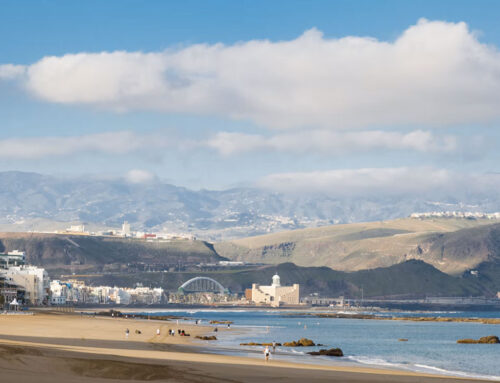
Las Palmas suits travellers who want to combine the sea with culture and city life. Las Canteras Beach provides an easy coastal experience, while Vegueta and Triana offer historic streets, museums, restaurants and shopping.
It also works well for food lovers, remote workers and visitors looking for a more local atmosphere. Las Palmas is the island’s most complete choice for an urban holiday, although it does not feel like a traditional resort.
Its location is useful for exploring the capital and northern Gran Canaria. Travellers planning to spend most of their time in Maspalomas, Puerto Rico or Puerto de Mogán should expect longer journeys.
Maspalomas: nature, hotels and relaxation
Maspalomas is one of the best-known areas in southern Gran Canaria. Its dunes, palm grove, lagoon and lighthouse create a distinctive landscape, while the wider area contains many different types of accommodation.
It suits couples, families and travellers looking for reliable hotel facilities, spacious beaches and pleasant walking areas. Maspalomas combines relaxation and services without depending on intense nightlife.
The exact location of the hotel is important. Some accommodation described as being in Maspalomas may be further from the beach or lighthouse promenade than expected.
The area’s character can be understood through the Maspalomas Dunes, one of the island’s most recognisable natural spaces.
Meloneras: comfort and a polished atmosphere
Meloneras follows the coastline beside the Maspalomas lighthouse. It is known for its seafront promenade, higher-category hotels, restaurants and shopping areas.
It commonly appeals to couples, adults and travellers who value comfort, quiet evenings and well-maintained surroundings. Visitors can also walk towards Maspalomas Beach and the dunes.
Meloneras is one of the strongest choices for a calm, comfortable stay, although it is not usually the cheapest area. Its evening atmosphere is generally more relaxed than Playa del Inglés.
Playa del Inglés: entertainment and convenience
Playa del Inglés contains a large part of the south’s tourist accommodation. It offers hotels, apartments, restaurants, shops and entertainment within a relatively concentrated area.
It can work well for first-time visitors, groups of friends and travellers who want services and evening activity close to their accommodation.
The atmosphere varies noticeably between streets and complexes. Checking the precise location is essential when peace and quiet are a priority.
Playa del Inglés may not suit visitors looking for a small fishing village or a rural retreat, but it remains a practical base for sunshine, beaches and nightlife.
Puerto Rico: sunshine and family holidays
Puerto Rico lies in the southwest, one of Gran Canaria’s driest and sunniest areas. Its beach, marina and proximity to Amadores make it a popular choice for families and beach-focused travellers.
Much of the accommodation is built on the slopes around the valley. This can provide broad ocean views, although steep streets may affect travellers with reduced mobility or families using pushchairs.
Puerto Rico works particularly well for simple beach holidays, with restaurants, shops and leisure options nearby. It is less convenient for visitors planning to explore Las Palmas or the north every day.
Puerto de Mogán: a slower coastal experience
Puerto de Mogán combines a beach, marina, low-rise buildings and pedestrian streets decorated with flowers. It feels smaller and calmer than the major southern resorts.
It suits couples, families and travellers who enjoy walking, eating beside the water and returning to a peaceful base. The central area is compact and easy to explore on foot.
Puerto de Mogán is one of the best options for a quiet seaside stay, although it is a considerable distance from Las Palmas and several northern attractions.
The wider municipality includes beaches, ravines and inland landscapes, as explained in our guide to visiting Mogán in Gran Canaria.
Agaete: northern scenery and local character
Agaete offers a very different experience from the southern resorts. Puerto de las Nieves, the Las Salinas natural pools, the valley and the surrounding mountains combine coast, nature and local life.
It appeals to couples, hikers, food lovers and visitors who prefer smaller accommodation. The weather can be more variable than in the south, particularly during some parts of the year.
Agaete balances that variability with green landscapes, tranquillity and a strong local identity.
Our guide to the natural pools of Gran Canaria provides further ideas for exploring the island’s northern coastline.
Rural Gran Canaria: mountains and village life
Tejeda, Artenara, San Mateo, Santa Brígida, Agüimes and other inland areas offer rural houses, small hotels and traditional accommodation.
They suit travellers interested in hiking, mountain views, villages and a quieter pace. Temperatures can be cooler than on the coast, and the winding roads require more careful planning.
Staying inland reveals Gran Canaria’s mountainous side, but shops, restaurants and beaches may not be within easy reach. A vehicle is often the most practical way to explore these areas.
The island’s changing weather and landscapes are closely linked to the microclimates of Gran Canaria, which create clear contrasts between the coast, mid-altitude areas and peaks.
How to decide where to stay in Gran Canaria
Begin with the type of trip you want:
- Las Palmas for city life, culture and an urban beach.
- Maspalomas for dunes, hotels and relaxed holidays.
- Meloneras for comfort and a polished seafront.
- Playa del Inglés for activity and nightlife.
- Puerto Rico for sunshine and family beach holidays.
- Puerto de Mogán for a calm marina setting.
- Agaete for northern landscapes and local character.
- Inland villages for rural stays and hiking.
There is no perfect area for every visitor. The best base is the one that places your priority experiences within reasonable reach.
Choose accommodation as part of the full itinerary
Deciding where to stay in Gran Canaria involves more than comparing hotels and prices. Consider the local climate, gradients, driving distances, beach conditions, evening atmosphere and the places you hope to visit.
The island’s best viewpoints reveal how quickly the scenery changes between the south, west, north and central mountains.
A well-chosen base means less unnecessary travel and more time to enjoy the island. Gran Canaria offers urban, resort, coastal and rural settings; the right choice depends on how you want each day to begin and end.



Leave A Comment