Planning Gran Canaria routes with a clear idea of time and distance helps you enjoy the island without rushing from one place to another. Gran Canaria brings together dunes, ravines, historic towns, viewpoints, Atlantic coastline and a lively capital, so the best itinerary is not the one with the longest list of stops, but the one that connects places in a sensible order. At First Minute Excursions and Last Minute Transfer, we like to help travellers make the most of every day with realistic planning.
Gran Canaria Routes: Think in Areas, Not Isolated Stops
Gran Canaria is often associated with sunshine and beaches, but the island changes completely between the south, the capital, the north and the mountainous interior. The most practical approach is to group nearby visits, rather than crossing the island several times in one day.
For a first trip, it helps to divide the island into four blocks: Maspalomas and the south, Las Palmas de Gran Canaria, the northern towns and the central mountains. This structure leaves time for lunch, viewpoints, short walks and unexpected changes in weather, especially when moving from the coast to the higher areas.
Gran Canaria Routes in 3 Days: The Essential First Look
With three days, these Gran Canaria routes should focus on contrast: beach and dunes, capital city, and a taste of the island’s traditional towns. It is not enough time to see everything, but it is enough to understand why the island is so varied.
Day 1: Maspalomas, Playa del Inglés and Puerto de Mogán.
The south is a comfortable place to begin. The Maspalomas Dunes, the lighthouse, Playa del Inglés and Meloneras create an easy first route for travellers staying in the main tourist areas. If you want a more charming coastal finish, Puerto de Mogán fits well thanks to its harbour, whitewashed streets and relaxed seaside atmosphere. This day works best when it is not overloaded.
Day 2: Las Palmas, Vegueta and Las Canteras.
The capital deserves its own day. Vegueta brings the historic side of the city, while Las Canteras shows a more urban and local way of enjoying the sea. The area around the Alfredo Kraus Auditorium can also fit naturally into the day. For travellers who prefer a more structured overview, some Gran Canaria tours include the capital and nearby points of interest in one organised route.
Day 3: Teror, Arucas and inland viewpoints.
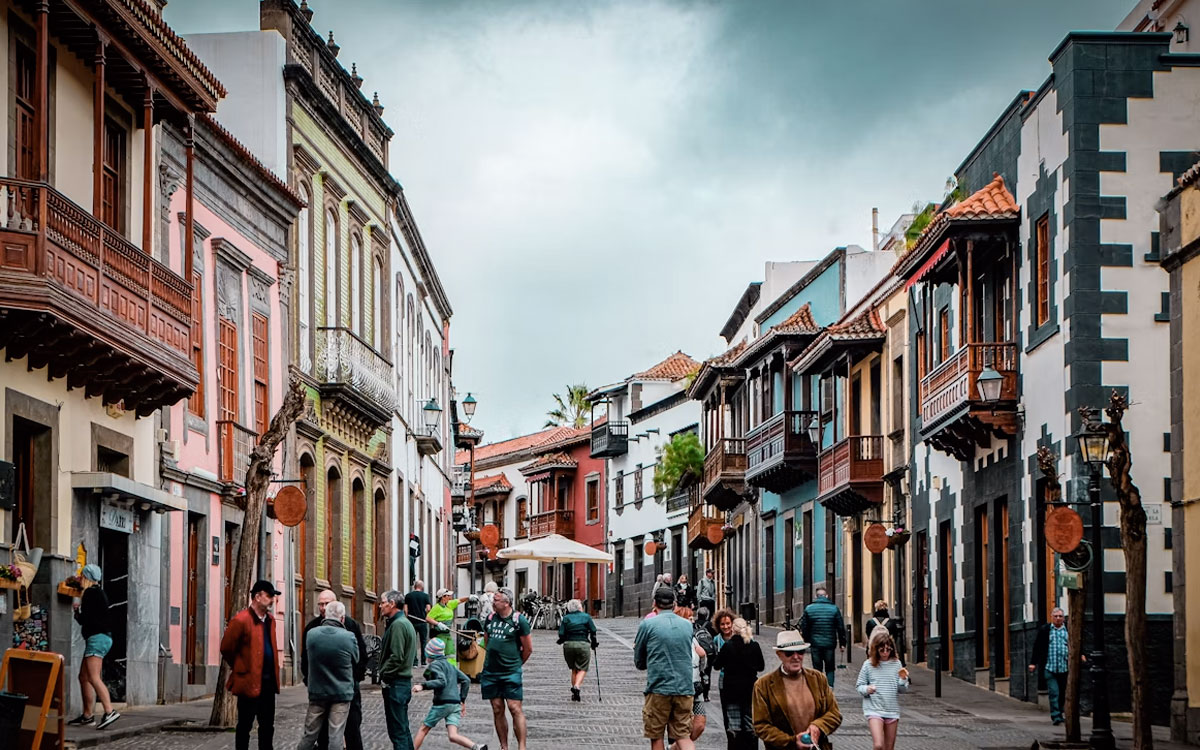
The third day should move away from the coast. Teror is known for its traditional balconies and local atmosphere, while Arucas offers a very different urban image, with the Church of San Juan Bautista as one of its most recognisable landmarks. If the weather allows it, adding an inland viewpoint gives the route a much broader sense of the island.
Gran Canaria Routes in 5 Days: The Most Balanced Option
Five days give the itinerary more breathing room. There is no need to squeeze the south, the capital, the north and the mountains into long, tiring days.
Day 1: Southern coast and Maspalomas.
Maspalomas, Meloneras, Playa del Inglés and Puerto de Mogán can form a relaxed first day. A slow route here makes more sense than trying to cover too much too soon.
Day 2: Las Palmas de Gran Canaria.
Vegueta, Triana, Las Canteras and the auditorium area provide history, shopping streets, beach life and city atmosphere in a single day. Giving the capital enough time prevents it from becoming just a quick stop.
Day 3: Arucas, Teror and Bandama.
This route combines architecture, tradition and volcanic landscape. Bandama introduces the geological side of Gran Canaria, while Arucas and Teror show the cultural side of the north. The Gran Tour of Gran Canaria is especially relevant for travellers who want to bring together some of these representative places without planning every stop separately.
Day 4: Tejeda, Roque Nublo and the mountains.
The centre of Gran Canaria changes the tone of the trip. Tejeda, the summit viewpoints and the area around Roque Nublo reveal a quieter, more mountainous and more photographic island. Comfortable footwear and a light layer are useful, as the weather can feel different from the south.
Day 5: Guayadeque, Agüimes or Agaete.
This day can adapt to your interests. Guayadeque and Agüimes are a good choice for culture, ravine landscapes and local flavour. Agaete and Puerto de las Nieves are better if you prefer the sea, natural pools and a slower Atlantic atmosphere.
Gran Canaria in 7 Days: More Depth and Less Pressure
A week allows you to enjoy the island with a calmer rhythm. You can follow the five-day route and add two days for places that deserve more time.
Day 6: Agaete and the northwest.
Agaete is worth more than a short stop. Puerto de las Nieves, the valley, the coast and the views towards the cliffs create a very different experience from the south. It is a good day for travellers looking for a quieter side of Gran Canaria.
Day 7: A flexible day or a themed experience.
The last day should remain open. You can return to the beach, visit the Botanical Garden, focus on local food, explore a market or choose a more specific experience depending on your interests. Leaving one day flexible avoids ending the trip with unnecessary pressure.
Which Route Fits Your Type of Trip?
For a short break, three days work well if you combine the south, the capital and one inland route. But, for a complete first visit, five days are the best base. For a slower holiday, seven days allow you to add Agaete, the mountains, ravines and less obvious corners.
Families may prefer to alternate beach time with softer visits. Photography lovers should save time for Maspalomas, Tejeda, Agaete and inland viewpoints. Travellers interested in local culture can give more weight to Vegueta, Teror, Arucas, Agüimes and Guayadeque.
Final Tips to Make the Most of Gran Canaria
Do not plan the trip using distance alone. Inland roads can take more time, and the weather can change between the south, the north and the summit areas. It is also better not to overload each day with too many stops, because Gran Canaria is more enjoyable when there is time to walk, look around and eat without rushing.
Organising Gran Canaria routes well means connecting areas logically, leaving room for changes and choosing visits that make sense for the number of days available. That way, the trip feels more complete, more comfortable and much more connected to the real character of the island.



Leave A Comment