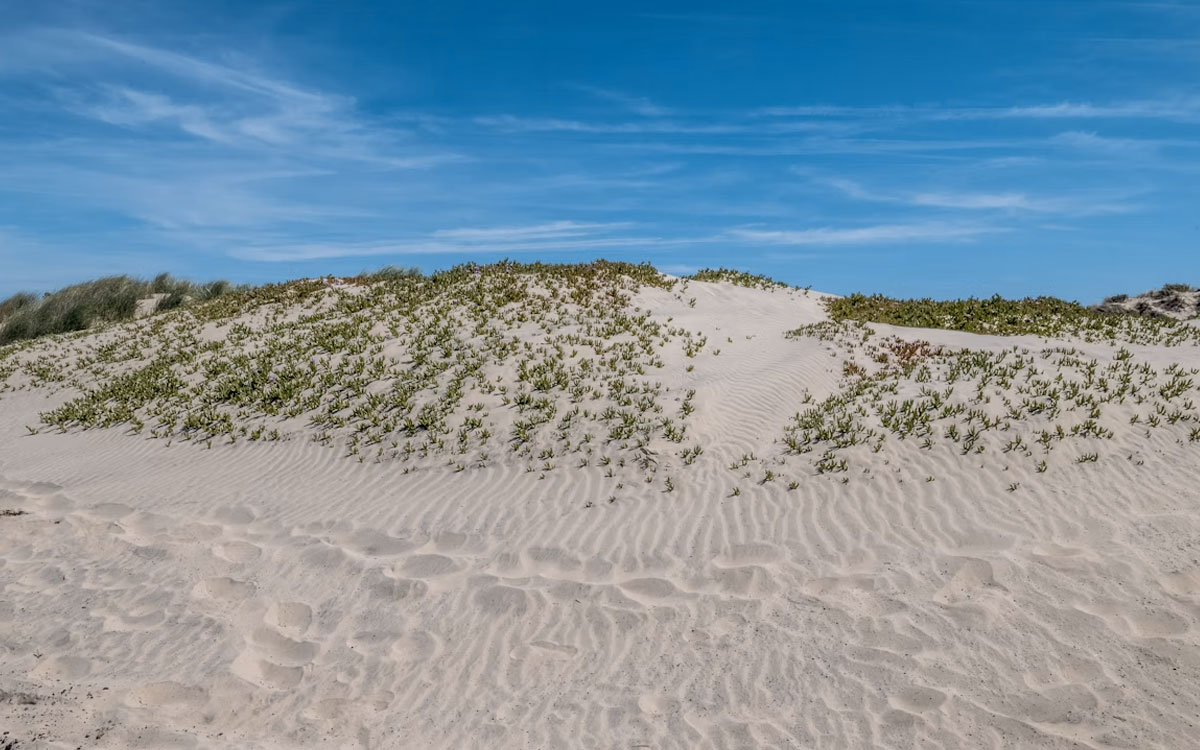
In the heart of the island lies a natural space that surprises everyone who visits: the Jable in Lanzarote. This vast corridor of sand, formed by marine materials carried inland by the wind, crosses the center of the island from Famara to the Playa Honda area. It is a unique ecosystem, both for its origin and for the importance it has in traditional agriculture and in Lanzarote’s landscape, which we discuss at Last Minute Transfer and First Minute Excursions.
The origin of the Jable in Lanzarote
Exploring the Jable means discovering a different side of Lanzarote, away from its beaches and its most famous volcanoes. Here, moving dunes, historic crops, and a natural environment that still preserves the essence of the most authentic island come together.
The Jable in Lanzarote was formed by the accumulation of marine sands from Famara beach. The trade winds pushed these sands inland, creating a mantle that covers several kilometers of the island. This accumulation of sand has given rise to a very peculiar semi-desert landscape, which contrasts with lava fields and with the green crops that emerge in some areas.
The Jable phenomenon is not only of geological interest but also cultural. For centuries, the island’s farmers have taken advantage of these sands as a natural resource to protect crops from drought, retaining moisture in the subsoil and allowing products such as sweet potatoes—one of Lanzarote’s gastronomic emblems—to flourish.
Agriculture and tradition in the Jable
One of the most interesting aspects of the Jable of Lanzarote is its connection to agriculture. The sand-based farming method, known as enarenado, has been key to agricultural development on the island in an environment with very little rainfall.
Thanks to this technique, the Jable became fertile land for local products such as sweet potatoes, melons, or pumpkins, which grew protected beneath the sandy layer. This sustainable use of the natural environment is a clear example of the Lanzaroteños’ ability to adapt to a challenging landscape.
Today, although agriculture in the Jable has declined, it remains a symbol of identity and a testament to the traditional ingenuity that is part of the island’s cultural heritage.
A landscape to explore and photograph
The Jable is not only about agriculture—it is also a perfect place for those who enjoy hiking and photography. Its sandy fields offer a changing landscape, where wind-drawn shapes create unique scenes.
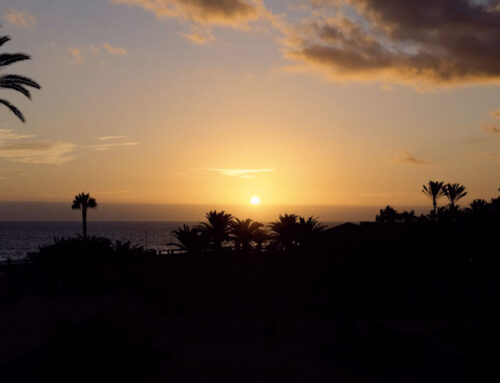
From certain points in the Jable, you can see the Risco de Famara to the north and the Fire Mountains to the south, a spectacular contrast that reflects Lanzarote’s diversity. Sunrise and sunset are the best times to visit, when the light enhances the textures of the sand and the calm atmosphere invites you to disconnect.
Tips for visiting the Jable in Lanzarote
If you are planning to explore this area, keep in mind a few recommendations:
-
Responsible visit: it is a fragile environment, so avoid driving vehicles outside designated areas.
-
Best times to visit: early in the morning or late in the afternoon, when the sun is gentler and the light is more special.
-
Wear comfortable footwear: while it is sandy terrain, some sections combine with volcanic rock.
-
Photography: an ideal spot to capture Lanzarote’s natural essence without crowds.
A must-see in Lanzarote
The Jable of Lanzarote is one of those corners that shows the island’s ability to surprise beyond its beaches and volcanoes. It is a landscape that combines history, culture, and nature, inviting visitors to understand more deeply the relationship between people and their environment.
Visiting it means discovering a unique natural and cultural heritage, a place that reflects Lanzarote’s essence and its capacity to adapt in the face of challenges. Without a doubt, a must-see for those seeking a different, sustainable, and authentic kind of tourism.


Leave A Comment